
Custom Sock Manufacturing Process: From Design to Delivery
A complete behind-the-scenes look at how custom socks are manufactured. 10 production stages, quality control checkpoints, machinery specifications, production timelines, and factory capacity — everything you need to know before placing your order.
Understanding the sock manufacturing process is essential for any buyer — it helps you set realistic expectations, identify potential bottlenecks, and choose a manufacturer that can deliver on time and on quality. At HZensheng, we operate a fully integrated sock manufacturing facility with over 200 knitting machines, an in-house dyeing facility, and a dedicated quality control team. This guide walks you through every stage of our production process, from the moment you send us your design to the day your socks arrive at your warehouse.
The 10-Stage Manufacturing Process
Design Review & Artwork Preparation
Every custom sock order begins with a thorough design review. Our design team examines your artwork for knitability — not every design translates well to sock knitting. We check: color count (maximum 6-8 colors per sock for jacquard), pattern repeat (must align with needle count), logo placement (cuff, foot, heel), and size scalability. We then convert your design into a knitting machine-readable format using specialized software (Ledontek/SockStar). This process typically takes 1-2 business days.
Yarn Sourcing & Preparation
We source premium yarns from certified suppliers in China, India, and Turkey. Standard options include: combed cotton (20s/1, 32s/1), polyester filament (150D/48F), nylon (70D/24F), spandex/elastane (40D), and blends. For eco-friendly orders, we offer GOTS-certified organic cotton, GRS-certified recycled polyester, and FSC-certified bamboo. Yarn is inspected for tenacity, elongation, evenness, and color fastness before being loaded onto cone winders. Each cone holds approximately 1-1.5 kg of yarn, enough for 80-120 pairs of socks.
Knitting (The Core Process)
Knitting is the heart of sock manufacturing. We use fully computerized single-cylinder sock knitting machines (Lonati/LB Italia type, 3.75 inch cylinder, 144-200 needles). Each machine knits one sock at a time, producing a complete sock tube in approximately 2-3 minutes. The machine automatically knits: cuff (ribbed for elasticity), leg (main body with jacquard pattern), heel (reinforced with extra nylon), foot (sole with terry loop for cushioning), and toe (closed with a special stitch). Machines are monitored 24/7 by our knitting supervisors, who check for dropped stitches, tension issues, and pattern alignment every 30 minutes.
Toe Closing (Linking)
After knitting, the sock has an open toe that needs to be closed. We use two methods: automatic toe linking machines (for high-volume orders, creates a flat, comfortable seam) and hand linking (for premium/luxury socks, creates an invisible seam). Hand linking is more expensive ($0.15-0.30/pair extra) but produces a virtually undetectable seam that is preferred for dress socks and medical socks. Automatic linking is standard for most casual and sports socks. Each linked sock is inspected for seam alignment and strength.
Dyeing (If Required)
If your socks require solid-color dyeing (rather than pre-colored yarn), this is the stage where it happens. Our in-house dyeing facility uses low-bath-ratio dyeing machines (1:8 ratio, reducing water usage by 60% compared to traditional machines). We use reactive dyes for cotton (excellent wash fastness, grade 4+) and acid dyes for wool/nylon. The dyeing process involves: pre-wetting (removes knitting oils), dyeing (1-2 hours at 80-100°C), soaping (removes unfixed dye), rinsing, and softening (adds fabric softener for hand feel). All wastewater is treated through our on-site wastewater treatment system before discharge.
Boarding & Shaping
Boarding is the process of shaping the sock to its final form using heat and steam. Socks are placed on metal foot forms (boards) of the correct size, then passed through a steam boarding chamber (120-140°C, 30-60 seconds). The heat sets the yarn memory, giving the sock a smooth, wrinkle-free appearance and a consistent shape. This step is critical for: ensuring consistent sizing across the order, setting the cuff elasticity, creating a smooth foot shape, and reducing shrinkage in subsequent washes. After boarding, socks are cooled on the boards for 5-10 minutes before removal.
Quality Control Inspection (100% Check)
This is the most critical stage for ensuring quality. Every single pair of socks undergoes a 100% manual inspection by our QC team. Inspectors check for: knitting defects (dropped stitches, holes, pattern errors), sizing (length, width, cuff elasticity), color (matching to approved sample, no shading), pairing (left/right match, no size mismatch), and workmanship (toe seam, loose threads, stains). Defective socks are sorted into: A-grade (perfect, ships to customer), B-grade (minor defect, sold at discount or recycled), and reject (major defect, destroyed). Our target A-grade rate is 98%+.
Pairing, Labeling & Packaging
Passed socks are paired (left + right), folded, and labeled. We offer multiple packaging options: polybag (standard, $0.05-0.15/pair), custom printed polybag ($0.20-0.50/pair, MOQ 500), paper band/sleeve ($0.10-0.30/pair), hang tag ($0.05-0.25/pair), and retail box ($0.50-2.50/pair). Each pair is labeled with size, material composition, care instructions, and country of origin (as required by US Customs and EU regulations). For orders with multiple sizes/colors, we sort and pack by SKU to simplify your receiving and inventory management.
Final Inspection & Carton Packing
Before shipping, we perform a final random inspection (AQL 2.5 standard) on the packed cartons. Our QC team randomly selects cartons and checks: quantity (correct number of pairs per carton), assortment (correct size/color mix), packaging integrity (no damage), and labeling accuracy. Cartons are then sealed with packing tape, labeled with carton number, total cartons, SKU, quantity, gross weight, and dimensions. Standard carton size: 60×40×40cm, holding approximately 200-300 pairs of socks, gross weight 15-25kg.
Shipping & Delivery
The final stage is getting your socks to you. We offer multiple shipping methods: Express (DHL/FedEx/UPS) — 3-7 days, best for samples and small orders (<100 pairs); Air freight — 7-15 days, best for medium orders (100-1,000 pairs); Sea freight (LCL/FCL) — 25-40 days, best for large orders (1,000+ pairs, lowest cost per pair). We handle all export documentation: commercial invoice, packing list, bill of lading/air waybill, certificate of origin, and any special certifications (GOTS, GRS, OEKO-TEX). For DDP (Delivered Duty Paid) orders, we handle customs clearance and delivery to your door — you pay one all-inclusive price.
Production Timeline: From Order to Delivery
Design Approval & Mockup
We review your design, create a digital mockup, and send for your approval. Revisions included until you are 100% satisfied.
Yarn Preparation & Sample Knitting
Yarn is sourced/inspected. For first-time orders, we knit a physical sample (1-3 pairs) for your approval before bulk production.
Bulk Knitting
Full production run on computerized knitting machines. 5,000 pairs typically take 5-7 days; 20,000 pairs take 10-14 days.
Toe Closing, Dyeing & Boarding
Post-knitting processes: toe linking, dyeing (if required), steam boarding for shape and consistency.
QC Inspection & Packaging
100% manual inspection, sorting by grade, pairing, labeling, and packaging per your specifications.
Final Inspection & Carton Packing
AQL 2.5 random inspection, carton sealing, labeling, and documentation preparation.
Shipping & Delivery
Express: 3-7 days | Air: 7-15 days | Sea: 25-40 days. DDP option available for door-to-door delivery.
⏱️ Typical Total Turnaround
Sample order (50-100 pairs): 10-15 days total (including shipping). Standard order (500-5,000 pairs): 25-35 days total (sea freight) or 18-25 days (air freight). Large order (10,000+ pairs): 35-50 days total (sea freight). Rush orders: We can expedite production for an additional 15-20% fee, reducing production time by 30-40%. Contact us for rush order availability.
Factory Capabilities & Machinery
Knitting
200+ machines: Single-cylinder computerized (3.75", 144-200 needles). Brands: Lonati, LB Italia, Sangiacomo. Capacity: 500,000 pairs/month. Needle counts: 144N (standard), 168N (fine gauge), 200N (ultra-fine).
Dyeing
In-house dye house: 8 low-bath-ratio machines (1:8). Capacity: 2,000 kg/day. Dye types: reactive (cotton), acid (wool/nylon), disperse (polyester). Color fastness: Grade 4+ (wash, rub, light, perspiration).
Toe Linking
30+ machines: Automatic linking (25 units) + hand linking (5 stations). Auto speed: 1,200 pairs/day/machine. Hand linking: 150 pairs/day/person. Seam type: Flat (auto) / Invisible (hand).
Boarding
2 steam boarding lines: Continuous conveyor type, 120-140°C. Capacity: 3,000 pairs/hour. Board sizes: S (35-38), M (39-42), L (43-46), XL (47-50). Ensures consistent shape and sizing.
Quality Control
15 QC inspectors: 100% inspection line + AQL 2.5 final inspection. Testing equipment: Uster evenness tester, color fastness tester, stretch/recovery tester, pilling tester (ICI type). Full test reports available on request.
Packing & Shipping
Automated packing line: Pairing, folding, labeling, polybag insertion. Capacity: 5,000 pairs/day. Carton: 60×40×40cm (200-300 pairs). Shipping: DHL/FedEx/UPS express, air freight, sea freight (LCL/FCL). DDP available.
Quality Control: Our 3-Stage Inspection System
Incoming QC (Raw Material)
Every yarn batch is tested before production: Evenness test (Uster CV% < 12% for cotton), Tenacity test (> 2.5 cN/dtex), Elongation test (> 15% for staple fibers), Color fastness (grade 4+ for wash/rub/light). Yarn that fails any test is returned to the supplier. This prevents quality issues from entering production.
In-Process QC (During Production)
Our knitting supervisors perform hourly checks on running machines: stitch quality, tension, pattern alignment, color matching. Every 2 hours, a sample sock is measured for length/width and compared to the approved spec. Any machine producing defects is stopped immediately and adjusted. Dyeing batches are checked with a spectrophotometer (Delta E < 1.0 = acceptable color match).
Final QC (Before Shipping)
100% manual inspection of every pair: 12-point checklist covering knitting, sizing, color, pairing, and workmanship. Then AQL 2.5 random inspection of packed cartons (major defects: 2.5% acceptance; minor: 4.0%). Full inspection report provided with every shipment. Defective socks are replaced at no cost to you.
Production Capacity & Order Volume Guide
| Order Size | Production Time | Best Shipping Method | Total Turnaround | Typical Buyer |
|---|---|---|---|---|
| 50-100 pairs (Sample/Small) | 5-7 days | Express (DHL/FedEx) | 10-15 days | Startups, first-time buyers, test orders |
| 100-500 pairs (Small business) | 7-10 days | Express or Air | 15-22 days | Small brands, boutique stores, promotional orders |
| 500-2,000 pairs (Growing brand) | 10-14 days | Air freight | 20-30 days | Established DTC brands, mid-size retailers |
| 2,000-10,000 pairs (Medium) | 14-20 days | Sea freight (LCL) | 35-50 days | Mid-size brands, regional retail chains |
| 10,000-50,000 pairs (Large) | 20-30 days | Sea freight (FCL 20ft) | 45-60 days | Large brands, national retailers, distributors |
| 50,000+ pairs (Bulk) | 30-45 days | Sea freight (FCL 40ft) | 55-75 days | Major brands, big-box retail, wholesale |
💡 Pro Tip: Plan Your Order Timeline
For seasonal products (holiday socks, back-to-school, sports seasons), place your order 60-90 days before you need inventory. This accounts for: design approval (3-5 days), sample approval (7-10 days), production (15-30 days), and shipping (7-40 days). Last-minute rush orders incur 15-20% expedite fees and may require more expensive air freight. Planning ahead saves you money and ensures on-time delivery for your peak selling season.
Certifications & Compliance
OEKO-TEX Standard 100
Products tested for harmful substances. Class 1 (baby) / Class 2 (skin contact) / Class 3 (outerwear). Our socks meet Class 2 standards.
GOTS (Organic)
Global Organic Textile Standard for organic cotton socks. Minimum 70% organic fiber, full supply chain traceability, social and environmental criteria.
GRS (Recycled)
Global Recycled Standard for recycled polyester/nylon socks. Minimum 20% recycled content, chain of custody tracking, social/environmental processing criteria.
BSCI / Sedex
Social compliance audits: fair wages, safe working conditions, reasonable hours, no child labor, freedom of association. Audited annually by third-party.
Frequently Asked Questions
Ready to Start Your Custom Sock Production?
HZensheng offers end-to-end custom sock manufacturing: design support, in-house knitting/dyeing, 3-stage quality control, and global shipping. MOQ from 50 pairs, free samples on bulk orders, 100% quality guarantee.
Get Your Free Production Quote WhatsApp Our FactoryShop Our Custom Sock Collection
Custom Crew Socks →Custom Compression Socks →Custom Knee-High Socks →Our Production Facility
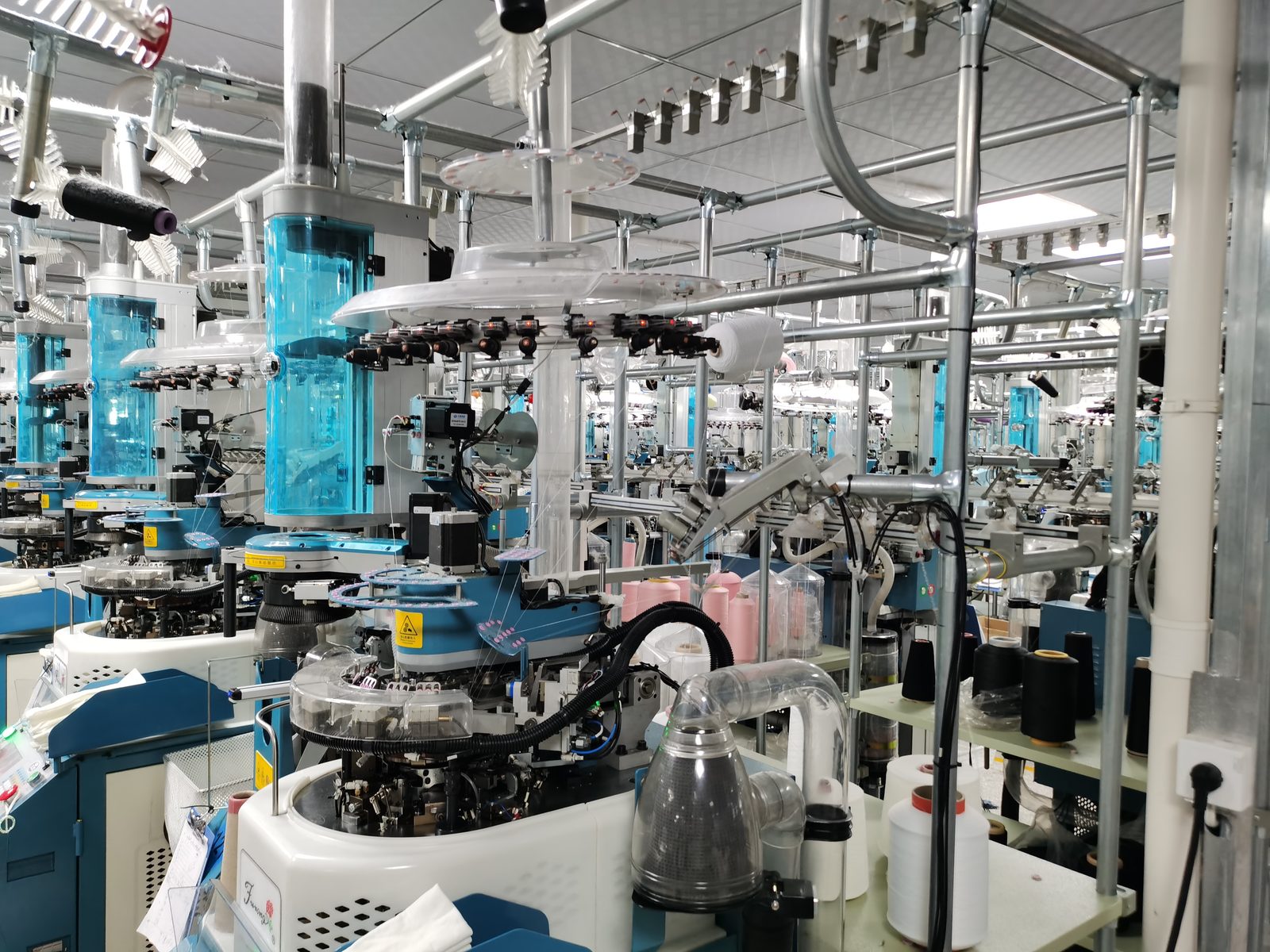
Production Floor
50+ computerized knitting machines operating simultaneously, with daily output of 10,000+ pairs.
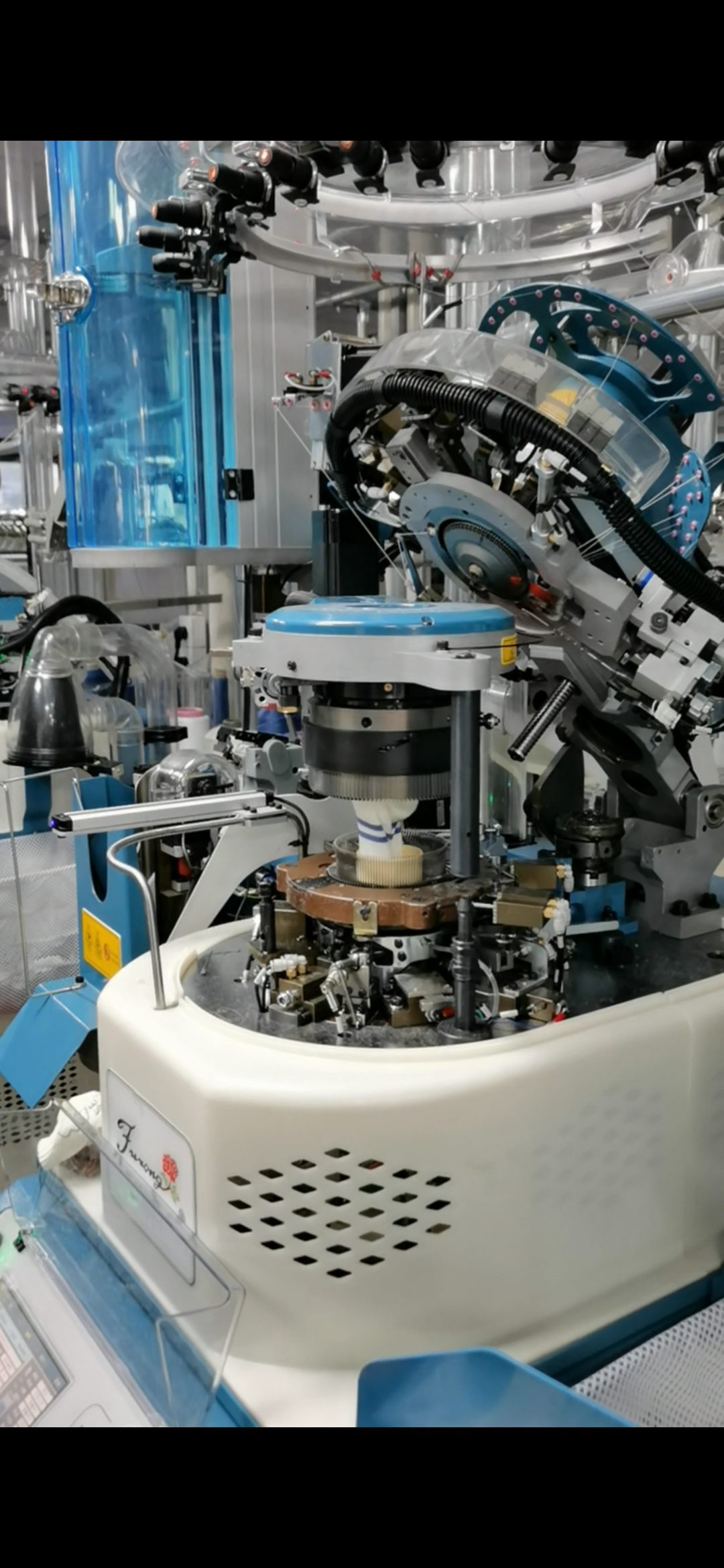
Modern Knitting Machines
Computerized single-cylinder machines with 120-200 needles for precise pattern knitting.
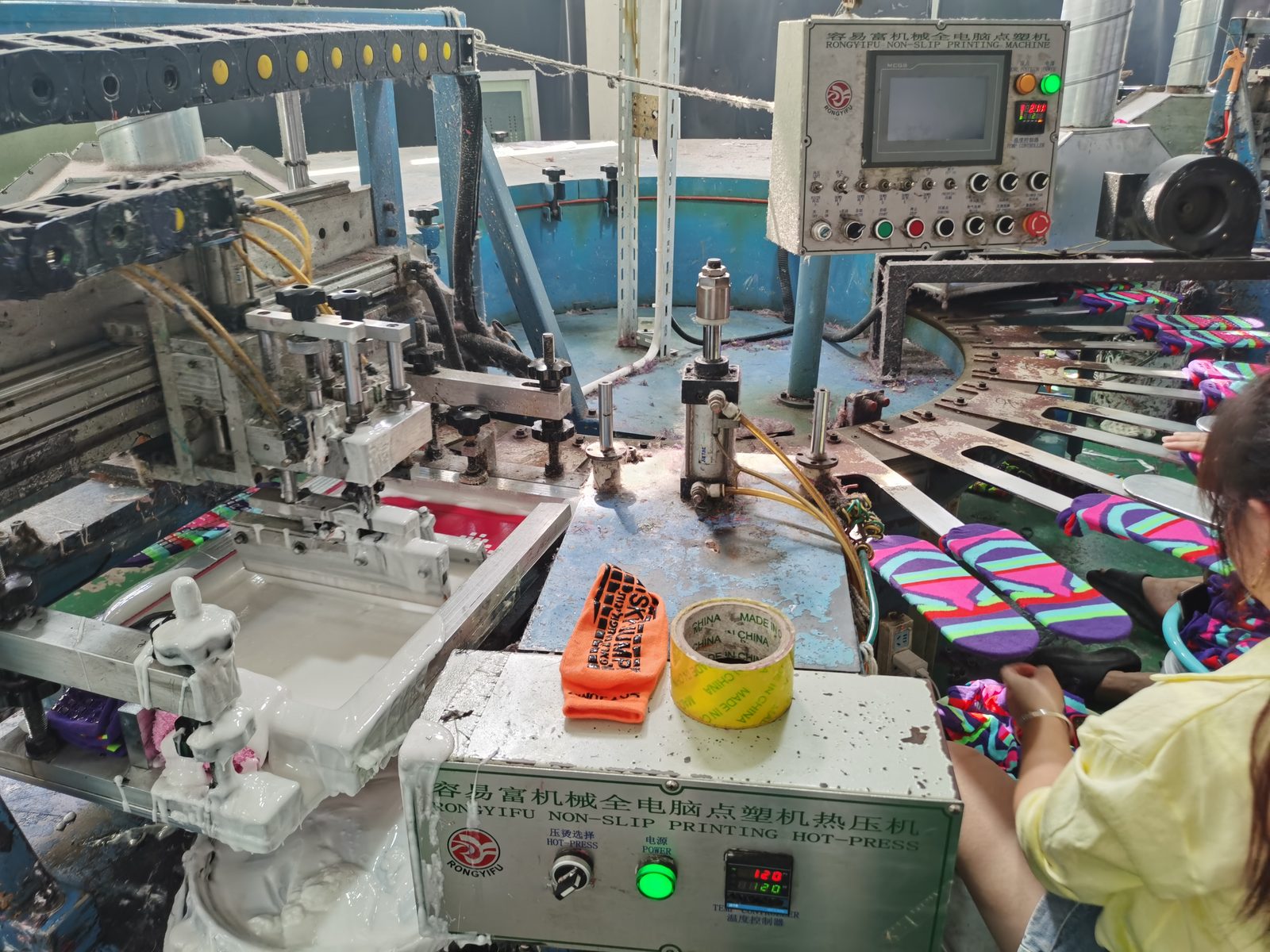
Grip Printing Department
Automatic non-slip printing machines for PVC and silicone grip socks, with precise temperature control.
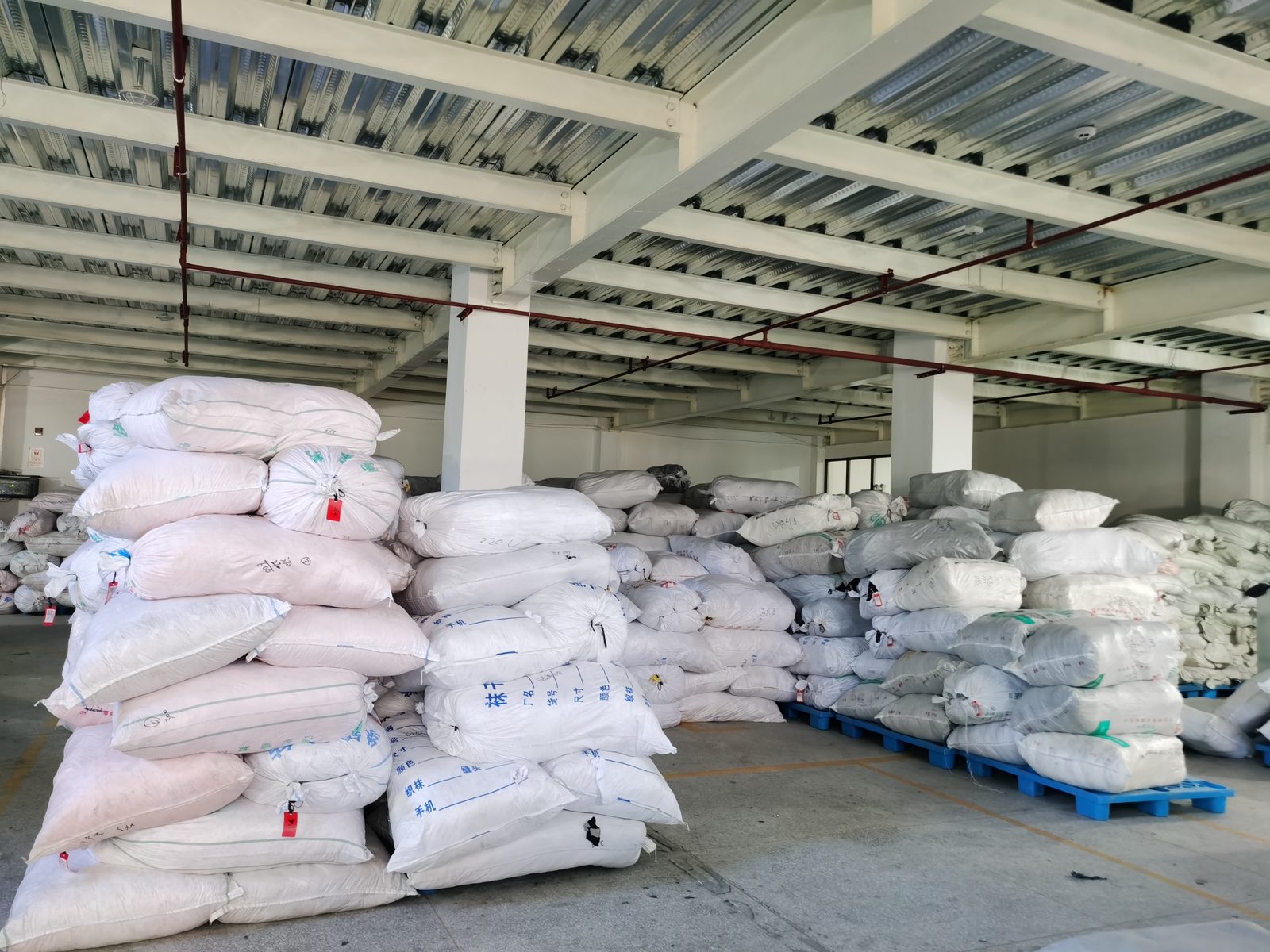
Raw Material Warehouse
100+ yarn colors in stock, including cotton, combed cotton, bamboo, merino wool, and synthetic blends.
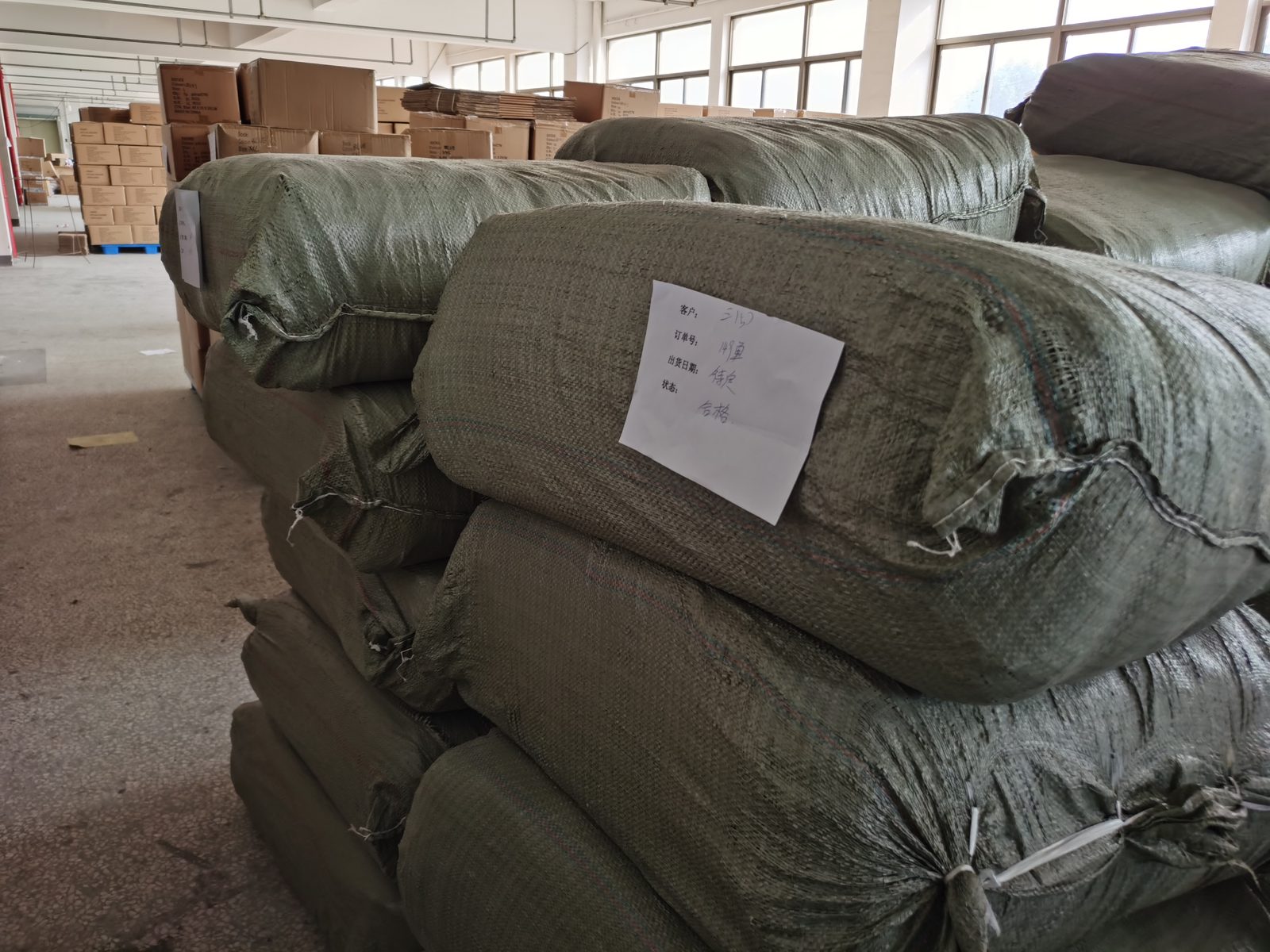
Quality Control & Packaging
3-stage quality inspection process, with defect rate consistently under 3%.
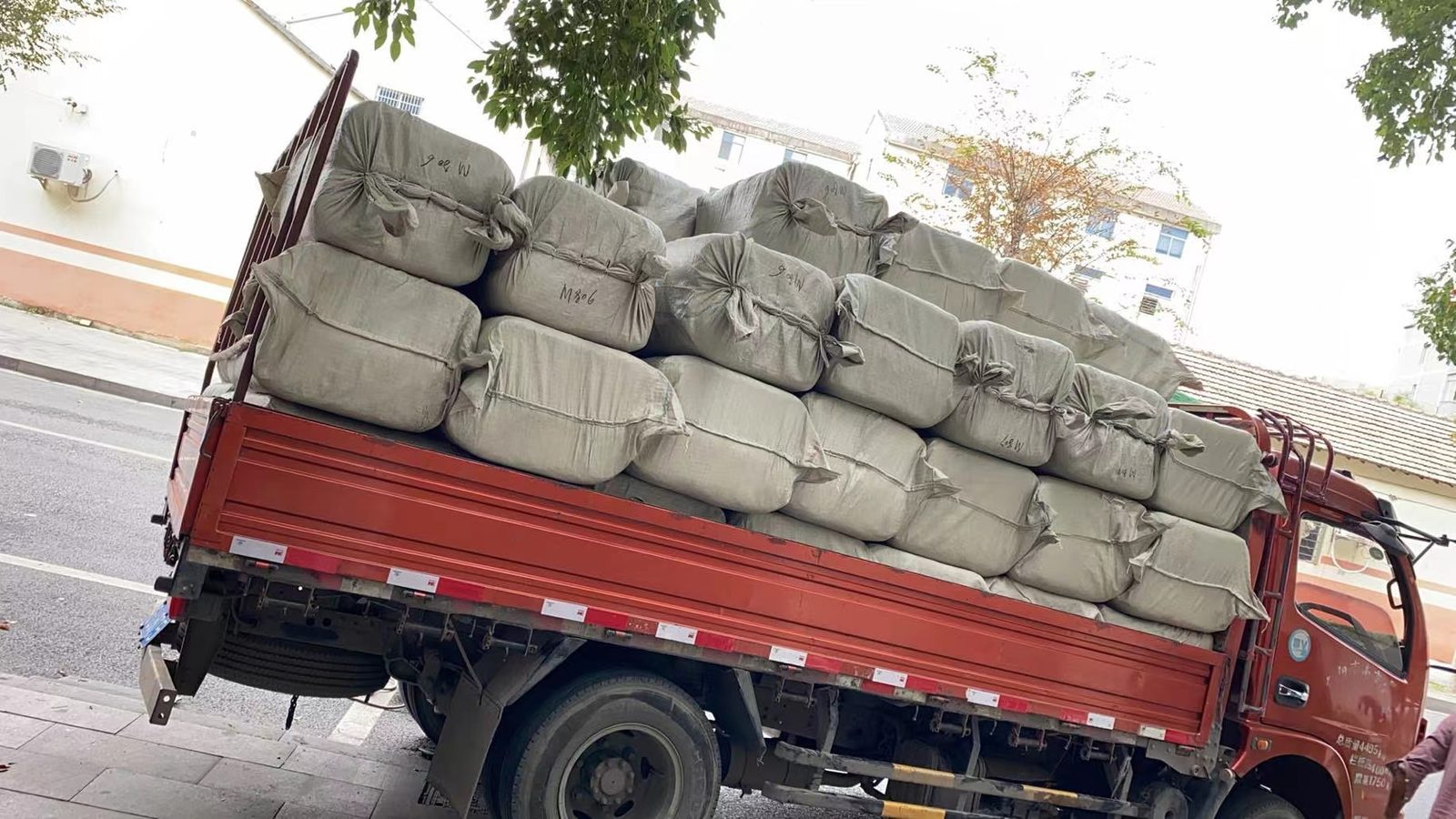
Global Shipping
Express (3-5 days), air freight (5-7 days), and sea freight (25-35 days) to 50+ countries.
📚 Related Guides & Resources
Crew vs Ankle vs Quarter vs No-Show — find the perfect length for your sport and style.
Cotton vs Merino vs Bamboo vs Polyester — compare comfort, durability & moisture-wicking.
How much do custom socks cost? Complete pricing breakdown, hidden costs & money-saving tips.
Complete guide for teams: design, pricing, sizing, production timeline, and fundraising tips.
Step-by-step guide: niche research, design, manufacturing, pricing, and marketing from $1,500.
Spirit wear, fundraising, graduation gifts, and team socks for schools and universities.